

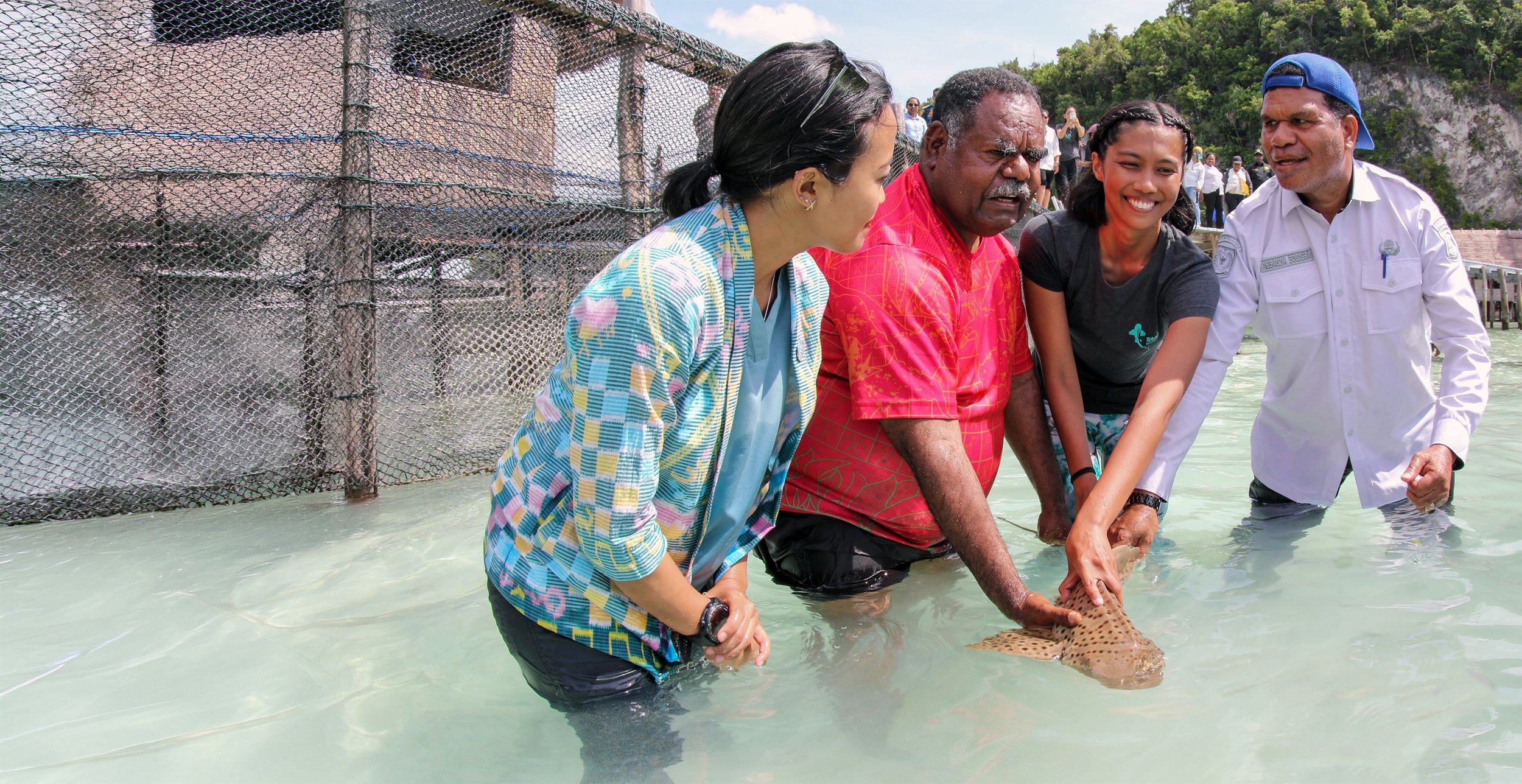

Restoring a future for the Indo-Pacific leopard shark
The StAR Project is aimed at re-establishing healthy, genetically diverse, and self-sustaining populations of Indo-Pacific leopard sharks (Stegostoma tigrinum) across the species' range.
About the project
A world-first for shark rewilding
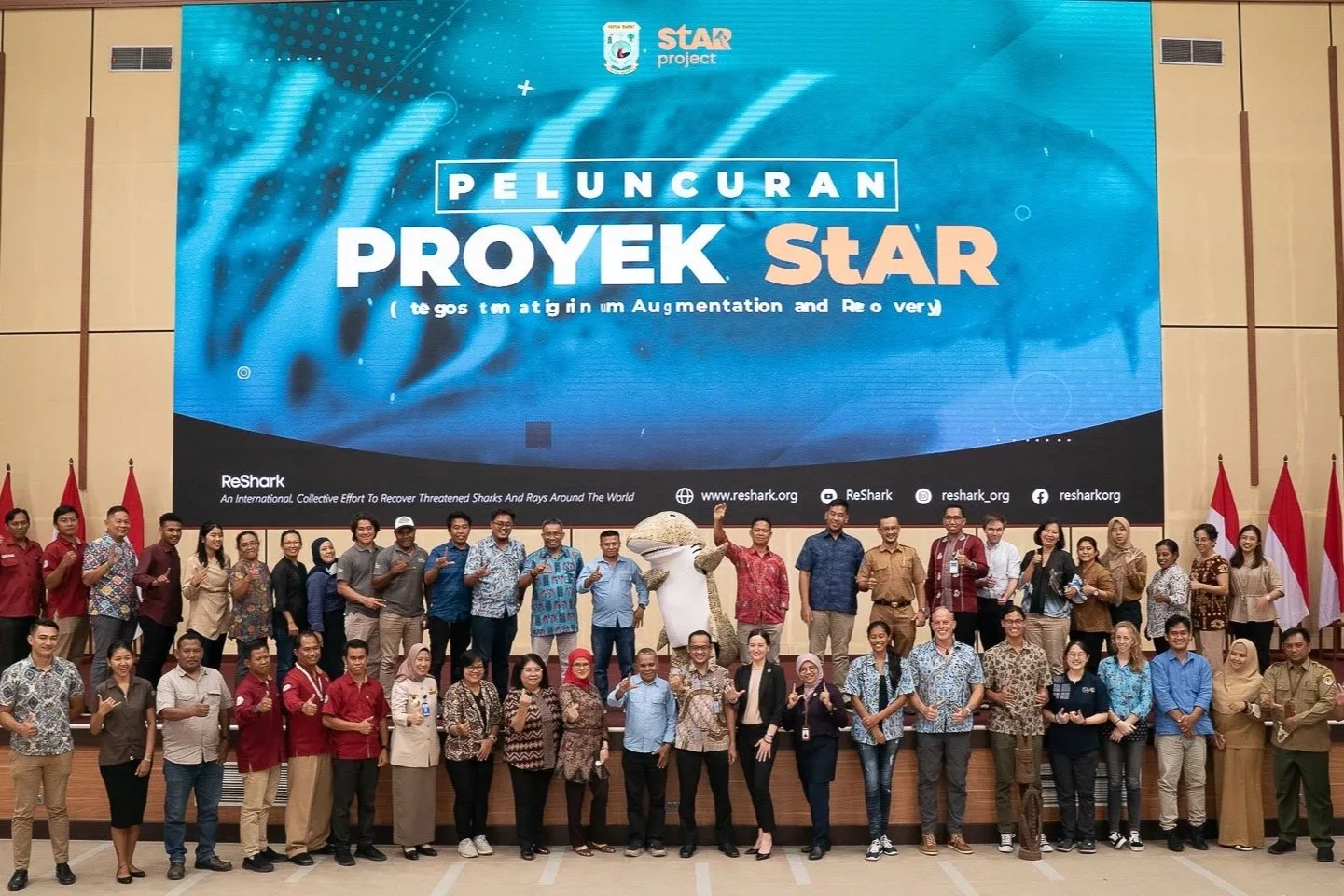
The Stegostoma tigrinum Augmentation and Recovery Project (StAR Project) is a global rewilding initiative dedicated to restoring Indo-Pacific leopard shark (Stegostoma tigrinum) populations across parts of its range where the species has disappeared or declined sharply due to overfishing and habitat degradation.
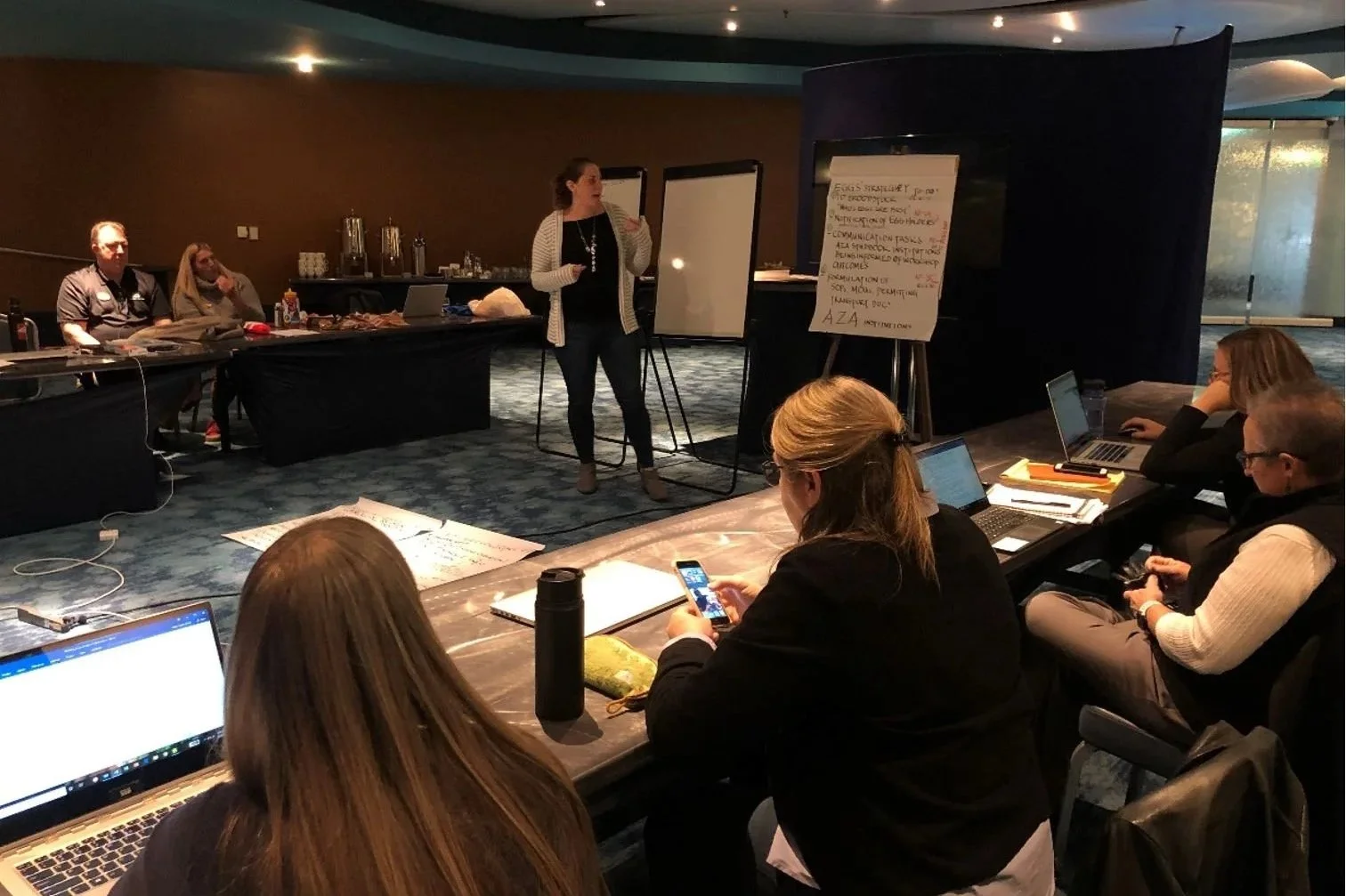
Following a pivotal 2019 workshop hosted by Georgia Aquarium, the StAR Project was officially launched in 2020. It became the world's first conservation translocation program for an elasmobranch species, uniting global expertise in captive breeding, genetics, husbandry, and population recovery.
The project integrates in situ and ex situ conservation under the IUCN One Plan Approach, bringing together the management of wild and managed populations. It also follows the IUCN Species Survival Commission’s Guidelines, which emphasize carefully planned, scientifically informed ex situ programs that contribute to wider species conservation goals.

The rewilding process
From human care back to the wild
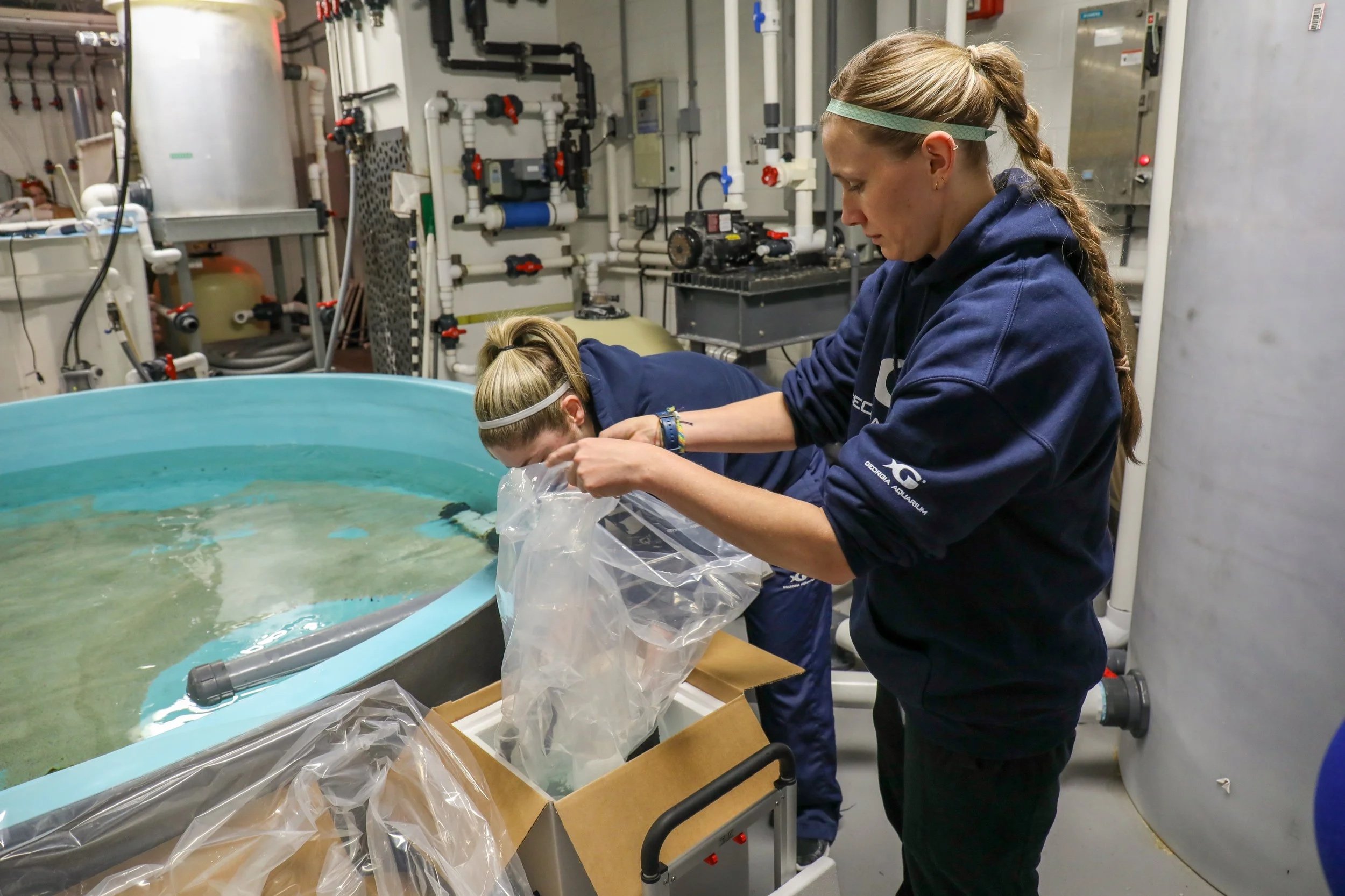
01
Conservation breeding
Accredited partner institutions breed leopard sharks and screen animals for genetic provenance and reproductive viability.
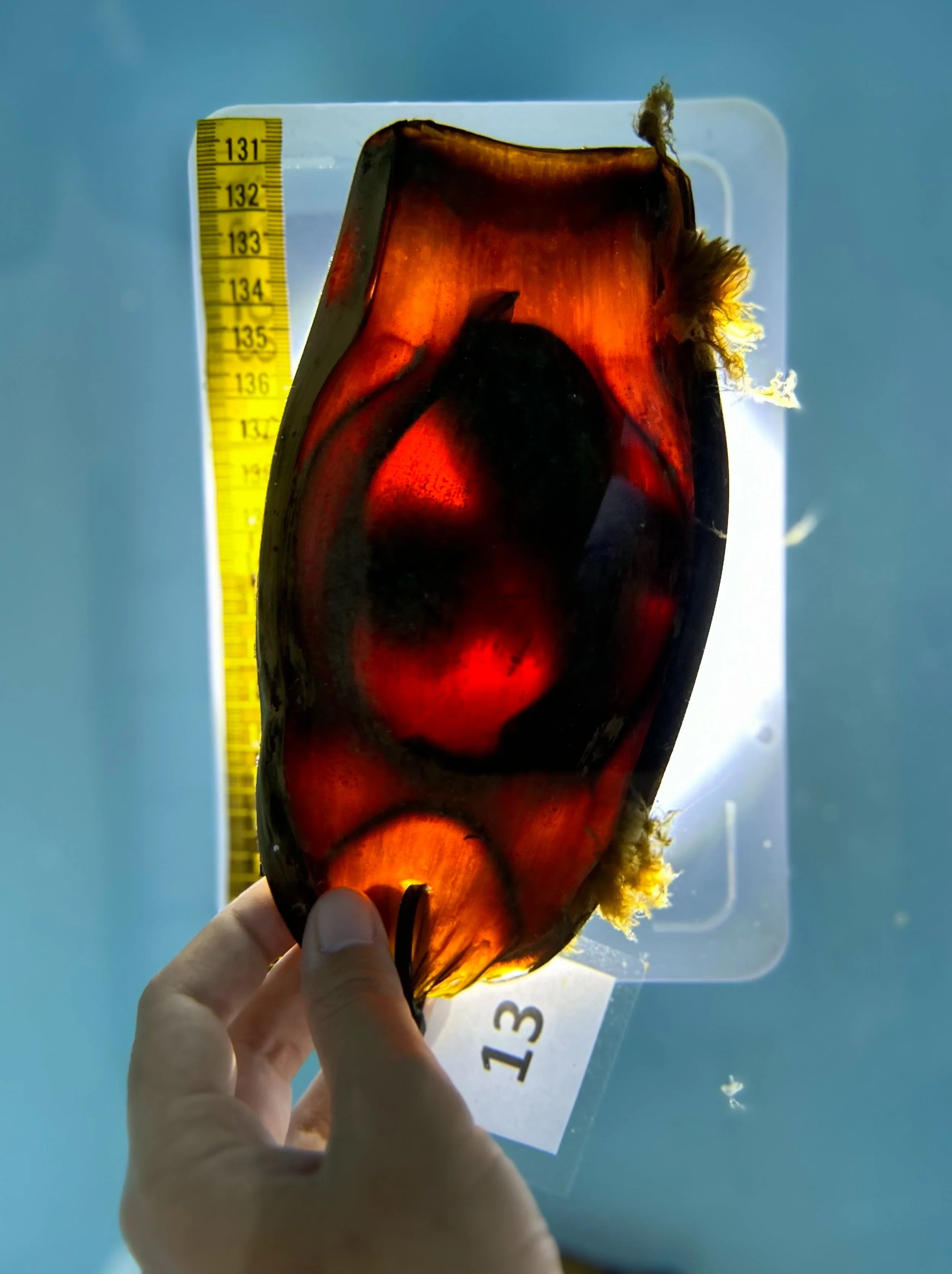
02
Egg and pup translocation
Viable eggs and pups from participating breeding institutions are transferred to in situ nursery facilities within the species' range.
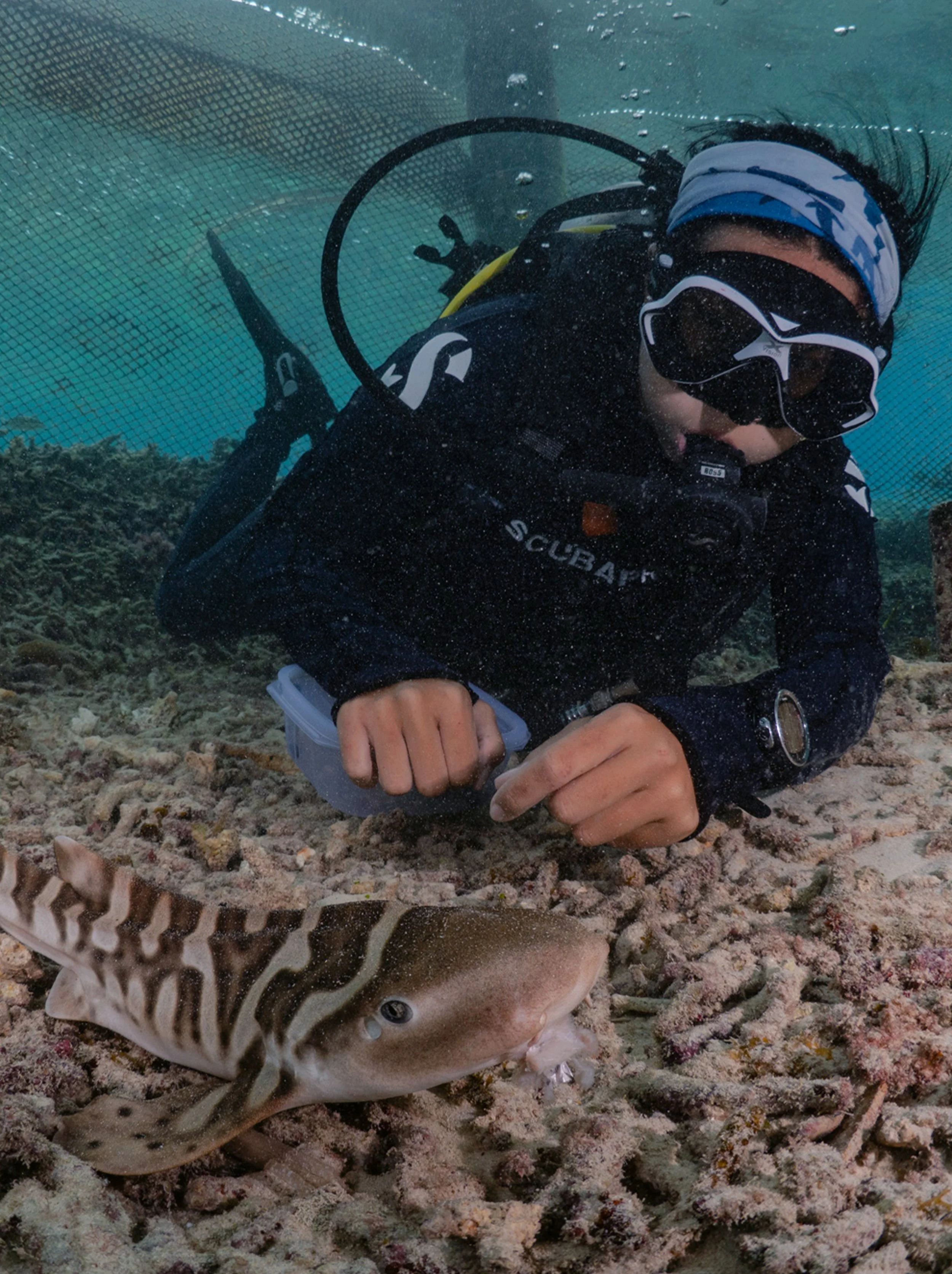
03
Hatching and rearing
Local aquarist teams hatch the eggs and care for the young sharks, monitoring their development until they are ready for release.
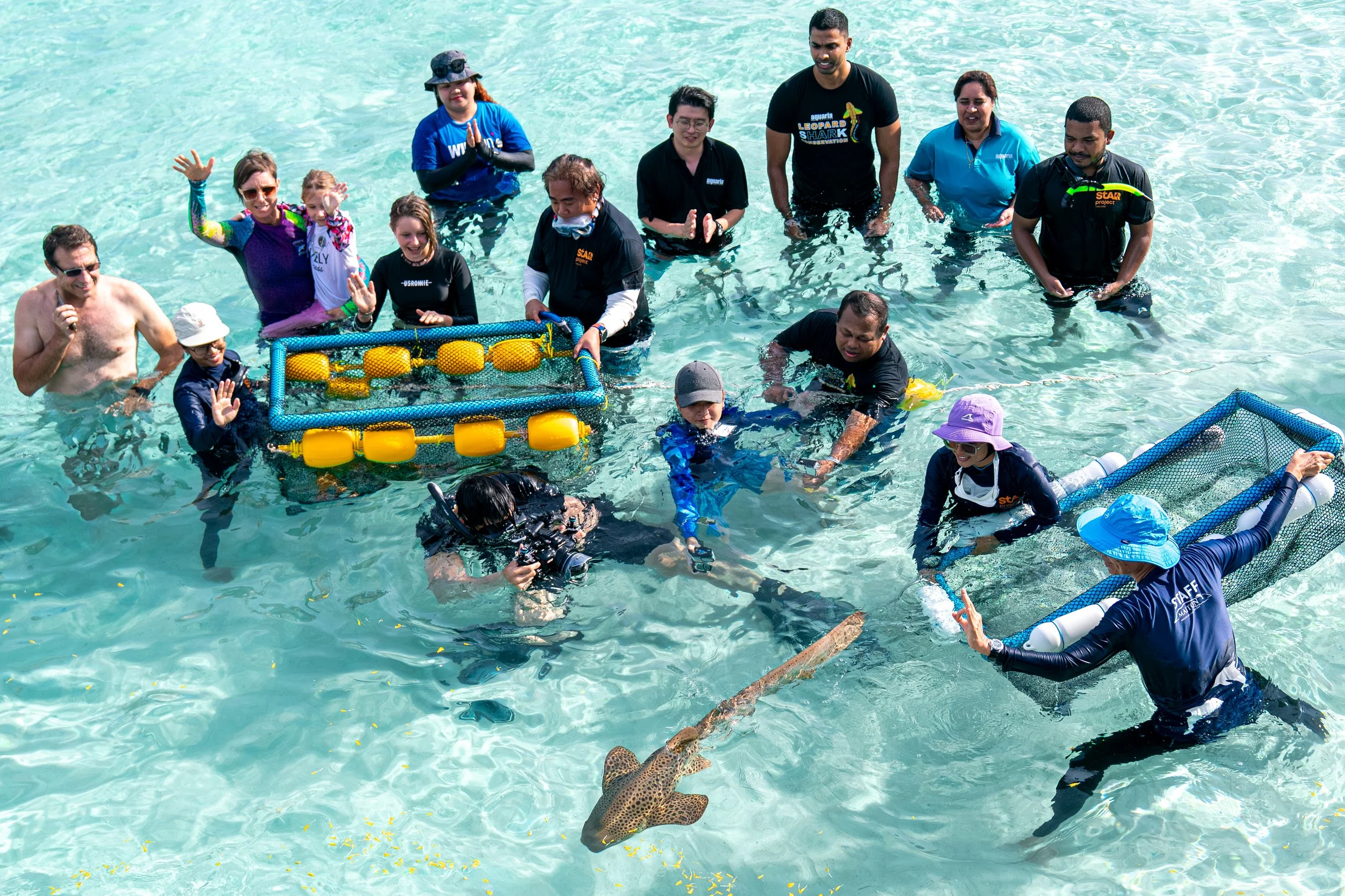
04
Release into the wild
Once ready for release, the sharks are tagged and released into suitable habitats within marine protected areas across their native range.
05
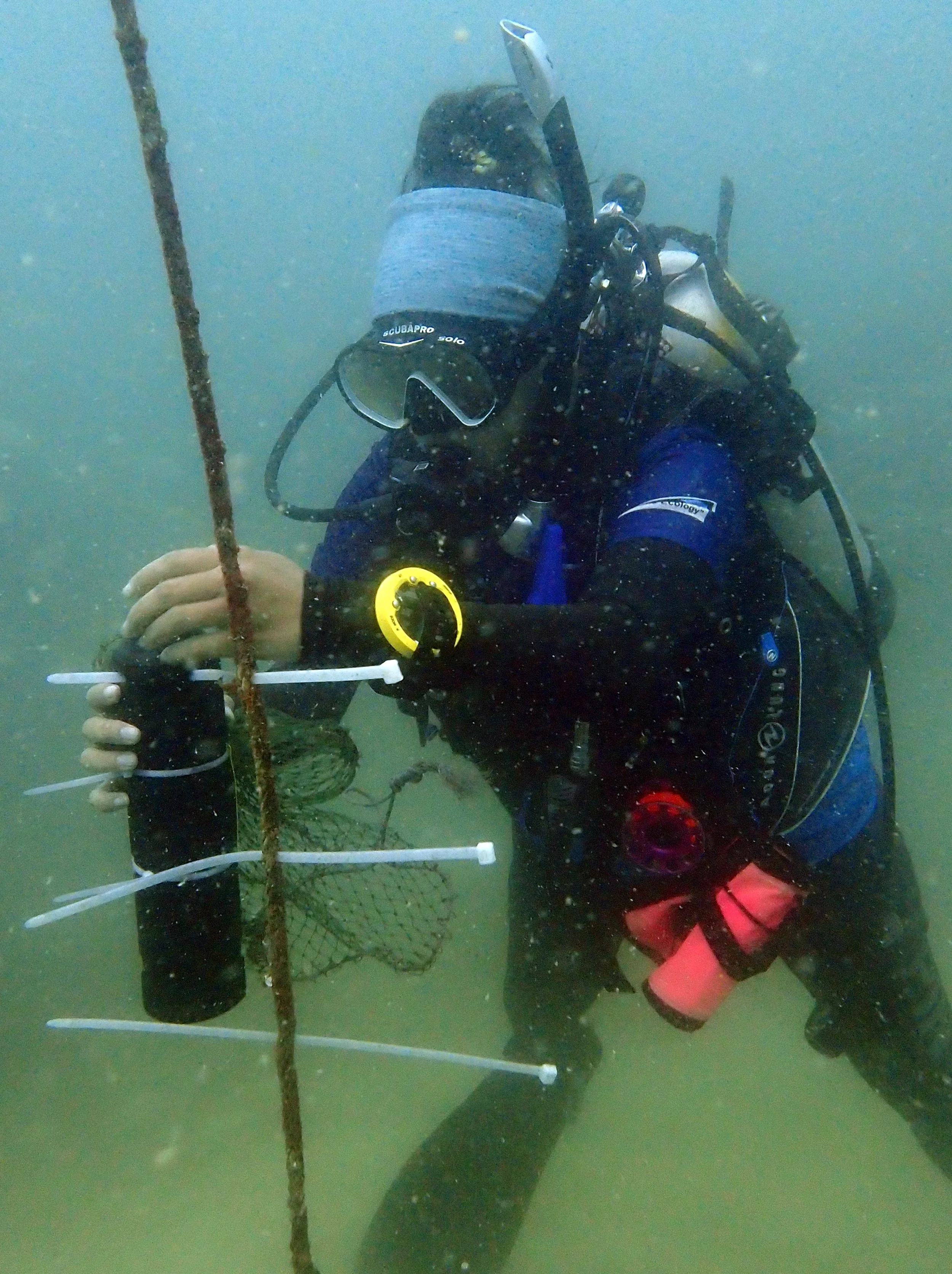
Post-release monitoring
Satellite and acoustic telemetry, together with citizen science, help monitor the sharks’ survival, movements, and habitat use following release.
06
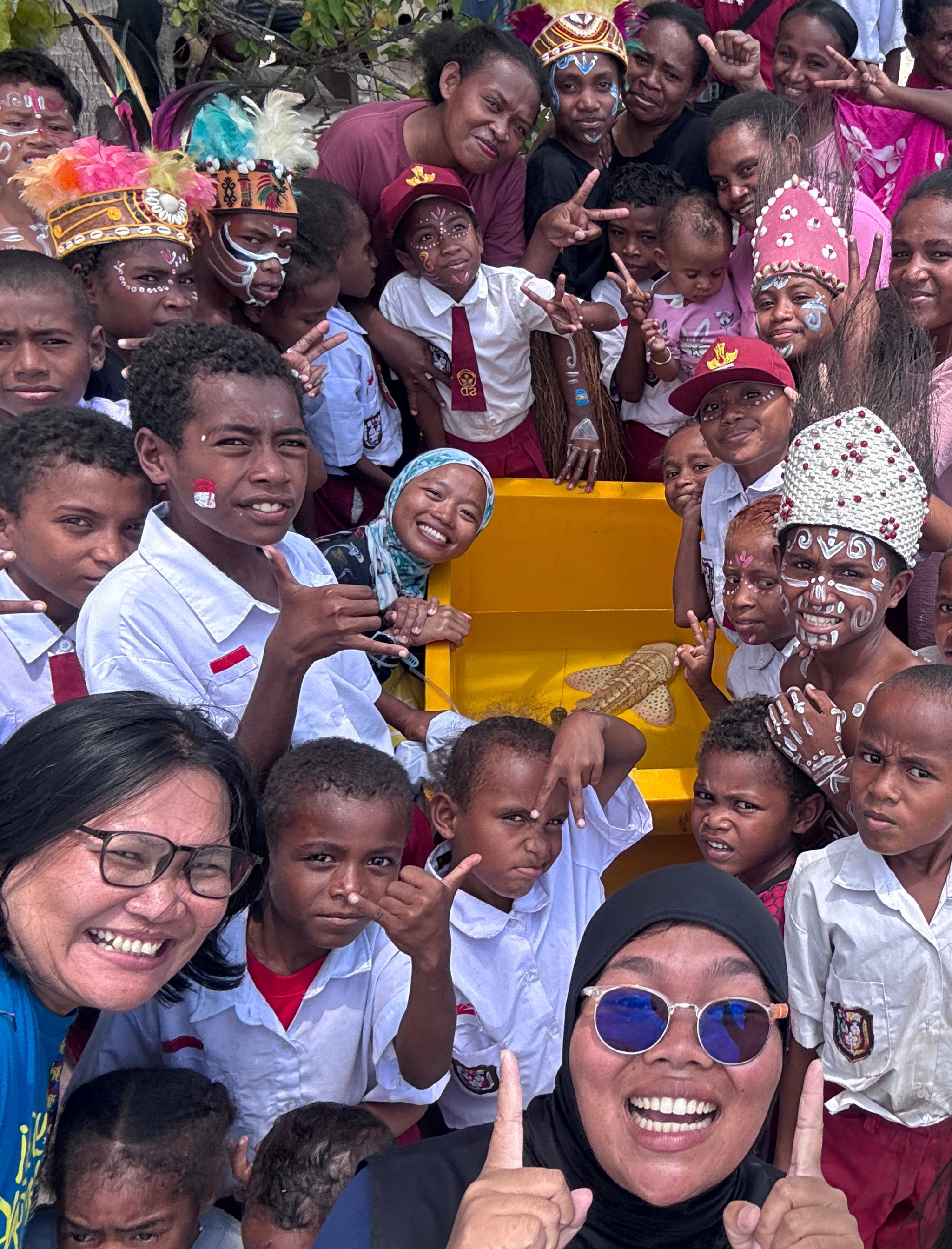
Research and outreach
Research and community outreach programs build species knowledge, local capacity, and long-term stewardship while informing the StAR Project.
The Species
Meet the Indo-Pacific Leopard Shark
Stegostoma tigrinum
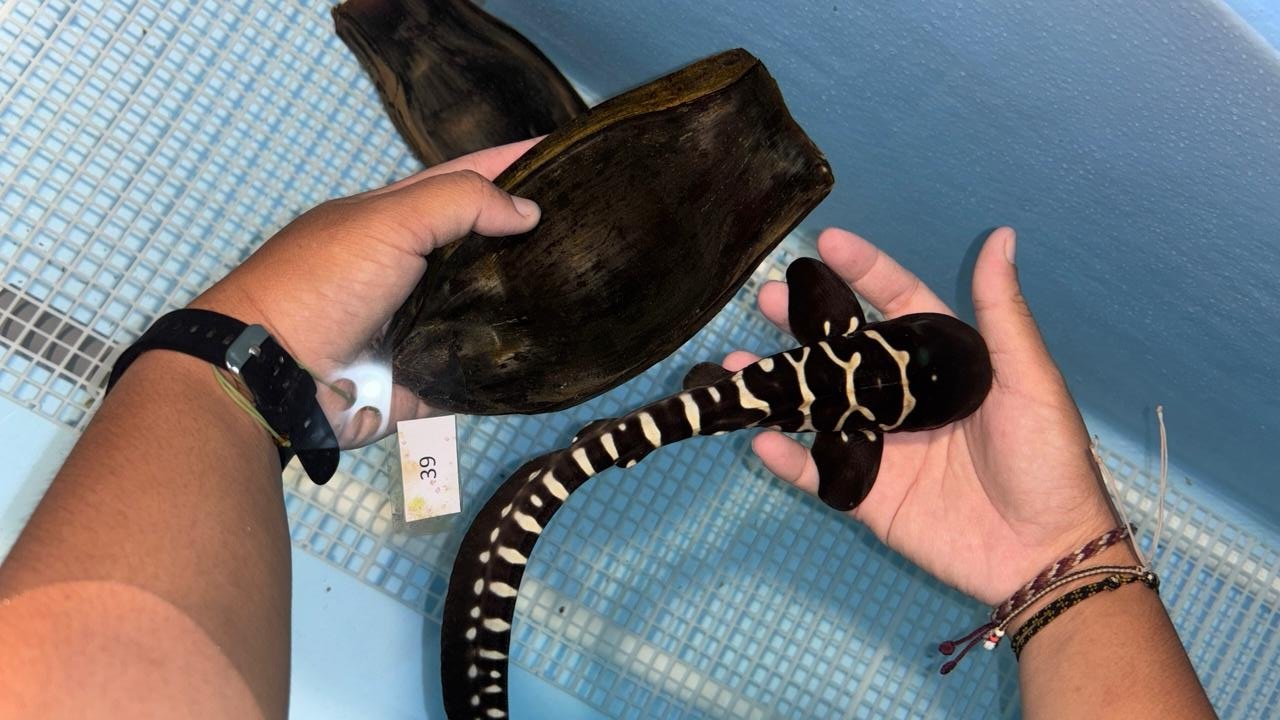
Adapted to coastal ecosystems
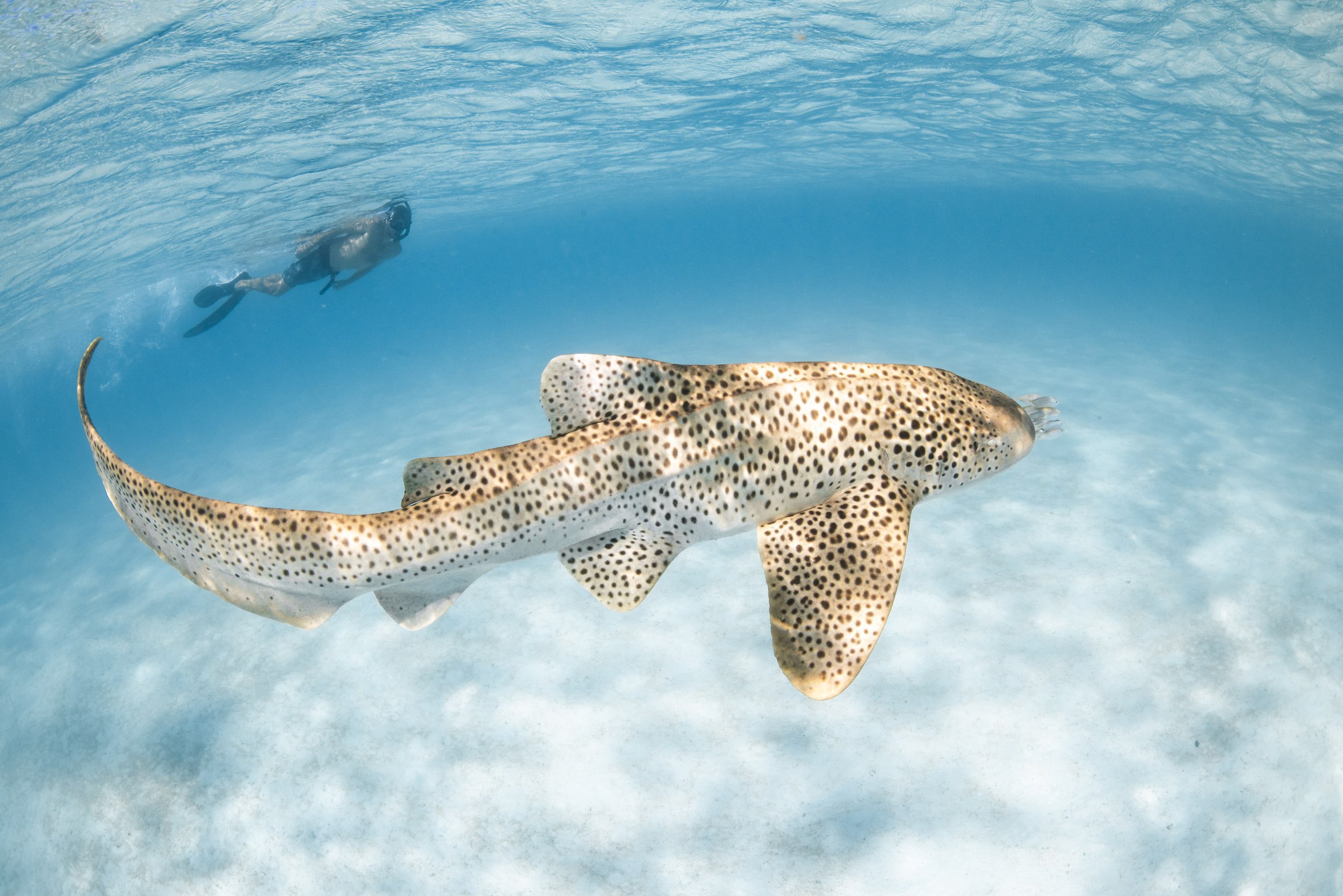
This reef-associated, egg-laying species inhabits shallow coastal habitats. It exhibits strong site fidelity but may also undertake long-distance movements. Slow growth, late maturity, and low reproductive output make it particularly vulnerable to population declines and slow recovery.
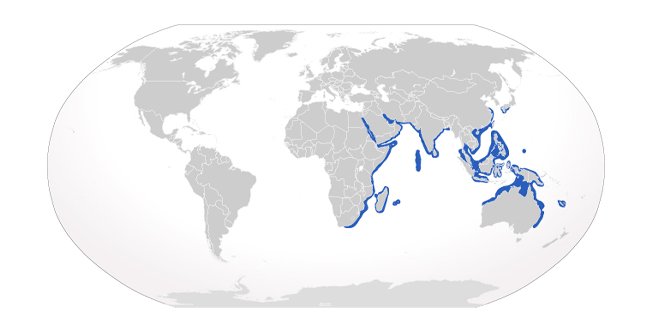
Ranges widely across the Indo-Pacific
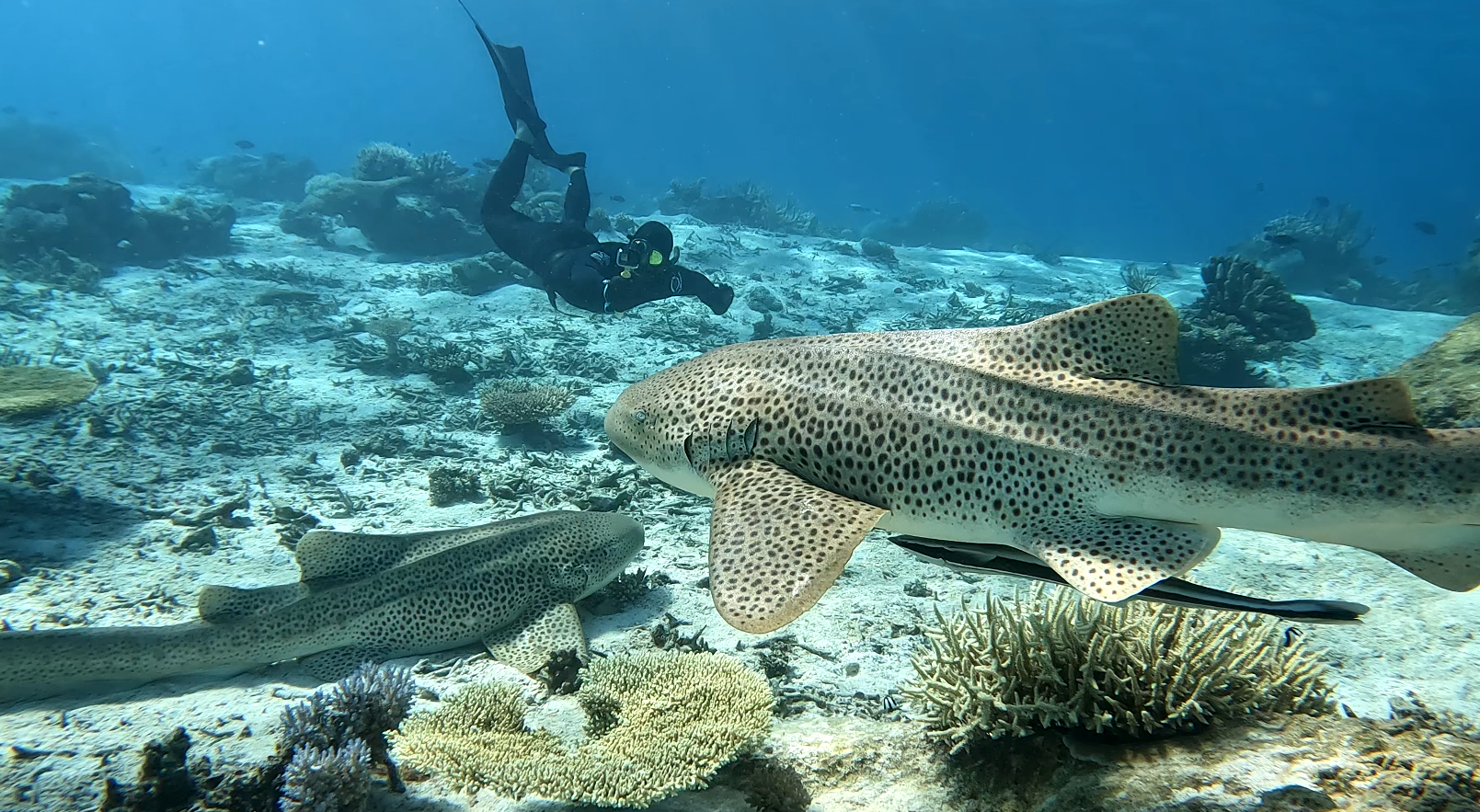
Indo-Pacific leopard sharks are widely distributed across the tropical and subtropical waters of the Indian Ocean and the western and central Pacific Ocean. Its eastern and western subpopulations are separated by the Indonesian Throughflow Current, which aligns with the Wallace Line (Dudgeon et al., 2009).
A species under threat
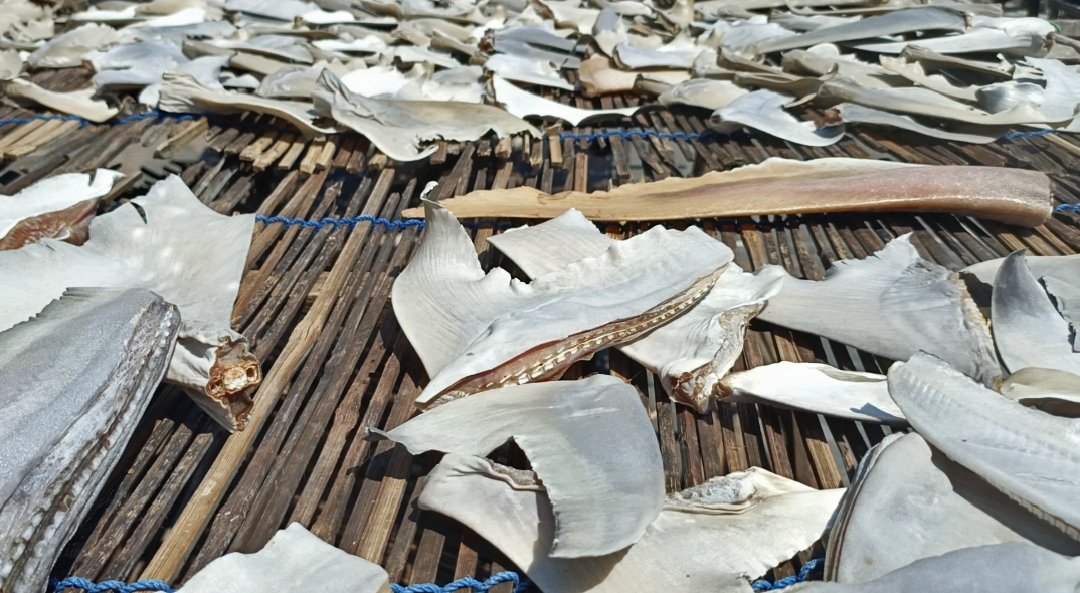
Targeted and incidental capture in inshore fisheries, particularly in Southeast Asia and the Western Indian Ocean, has driven severe regional declines and local extinctions. Habitat degradation, coastal development, and climate-driven habitat loss add to these pressures. The eastern Indonesian–Oceania subpopulation has experienced more moderate reductions.
A declining global population
The Indo-Pacific leopard shark is listed as Endangered (EN) on the IUCN Red List of Threatened Species. Its global population is estimated to have declined by 50–79% over the past three generations (57–72 years).
Where we work
A global network, A shared mission
The StAR Project's global network includes approved breeding institutions, local and international government and conservation partners, and field programs managing in situ nursery facilities. Explore the map to discover who's involved and where we work.
leadership
StAR Project steering committee
Bringing together expertise from the global aquarium, scientific, and conservation communities, the Steering Committee provides strategic leadership and specialist guidance to support the StAR Project's long-term success. It works closely with the Husbandry, Veterinary, and Research Working Groups, as well as in-country teams in Indonesia and Thailand, to guide project implementation and advance key priorities.

Dr. Erin Meyer
2020 – Present
Co-Chair, StAR Project Steering Committee

Nesha Ichida
2020 – Present
Co-Chair, StAR Project Steering Committee
Project Manager for StAR Indonesia, Thrive Conservation

Abraham Sianipar
2020 – Present
Co-Founder and Executive Director, Elasmobranch Institute Indonesia

Dr. Caitlin Hadfield
2023 – Present
Chair, StAR Project Veterinary Working Group
Director of Animal Health, Seattle Aquarium

Dr. Christine Dudgeon
2020 – Present
Chair, StAR Project Research Working Group
Senior Researcher, Biopixel Oceans Foundation

David Aparici Plaza
2025 – Present
Animal Programmes and Conservation Coordinator, European Association of Zoos and Aquaria (EAZA)

Leah Neal
2023 – Present
Chair, StAR Project Husbandry Working Group

Dr. Mark Erdmann
2020 – Present
Executive Director, ReShark
Shark Conservation Director, Re:wild

May Metavee Chuangcharoendee
2024 – Present
Project Manager for StAR Thailand, WildAid

Mochamad Iqbal Herwata
2020 – Present
Focal Species Conservation Senior Manager, Konservasi Indonesia
Latest science
Science that drives recovery
Active research and innovation are central to the StAR Project, deepening our understanding of Indo-Pacific leopard shark biology, ecology and population dynamics, and ensuring that rewilding efforts are guided by the latest scientific evidence.
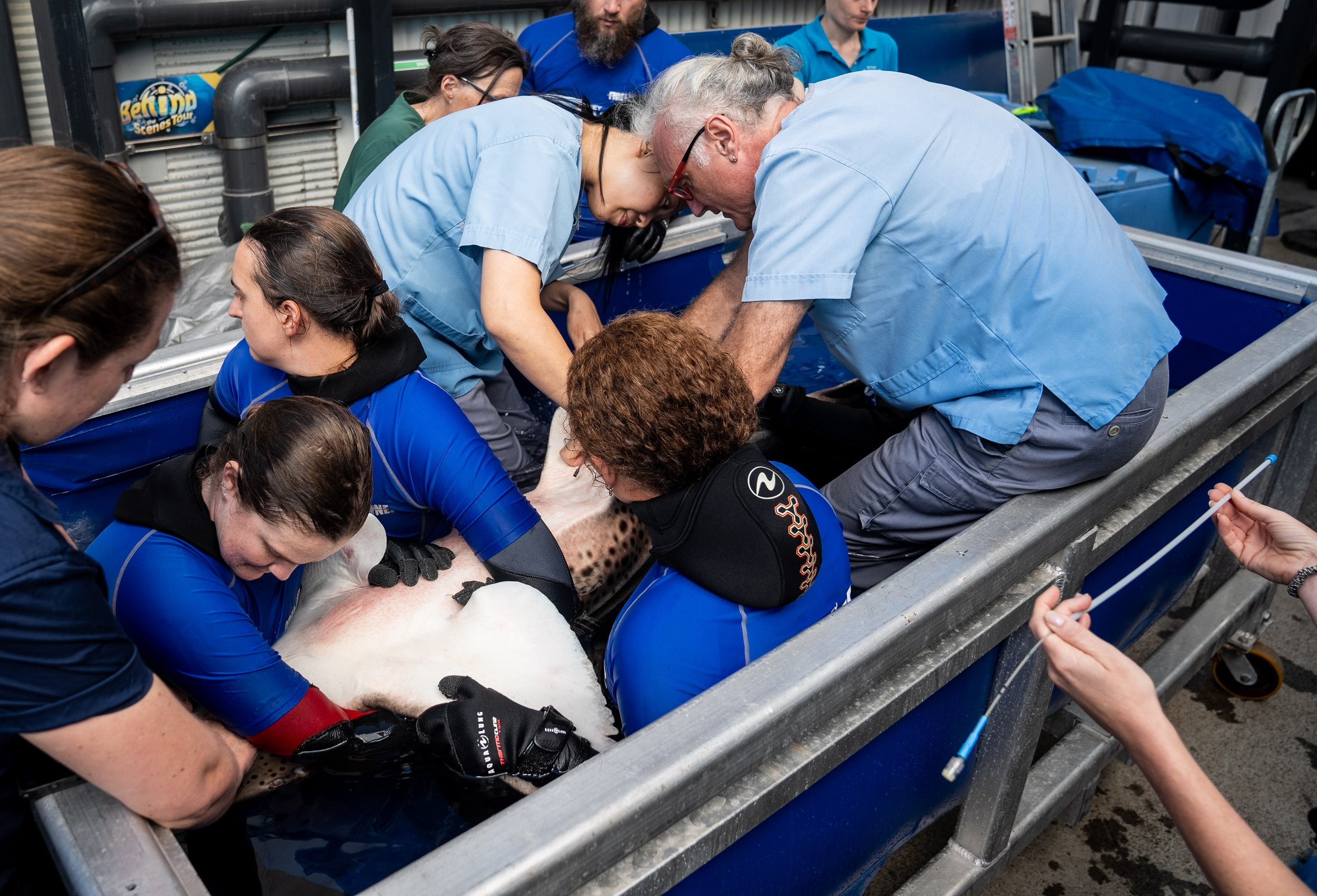
Through the annual Great Australian Stegostoma Semen Expedition (GASSE), StAR Project researchers work with wild leopard sharks aggregating around North Stradbroke Island, Australia, during the austral summer. By collecting semen and advancing artificial insemination techniques, the team aims to bolster reproductive output and genetic diversity among in situ populations from breeding institutions.
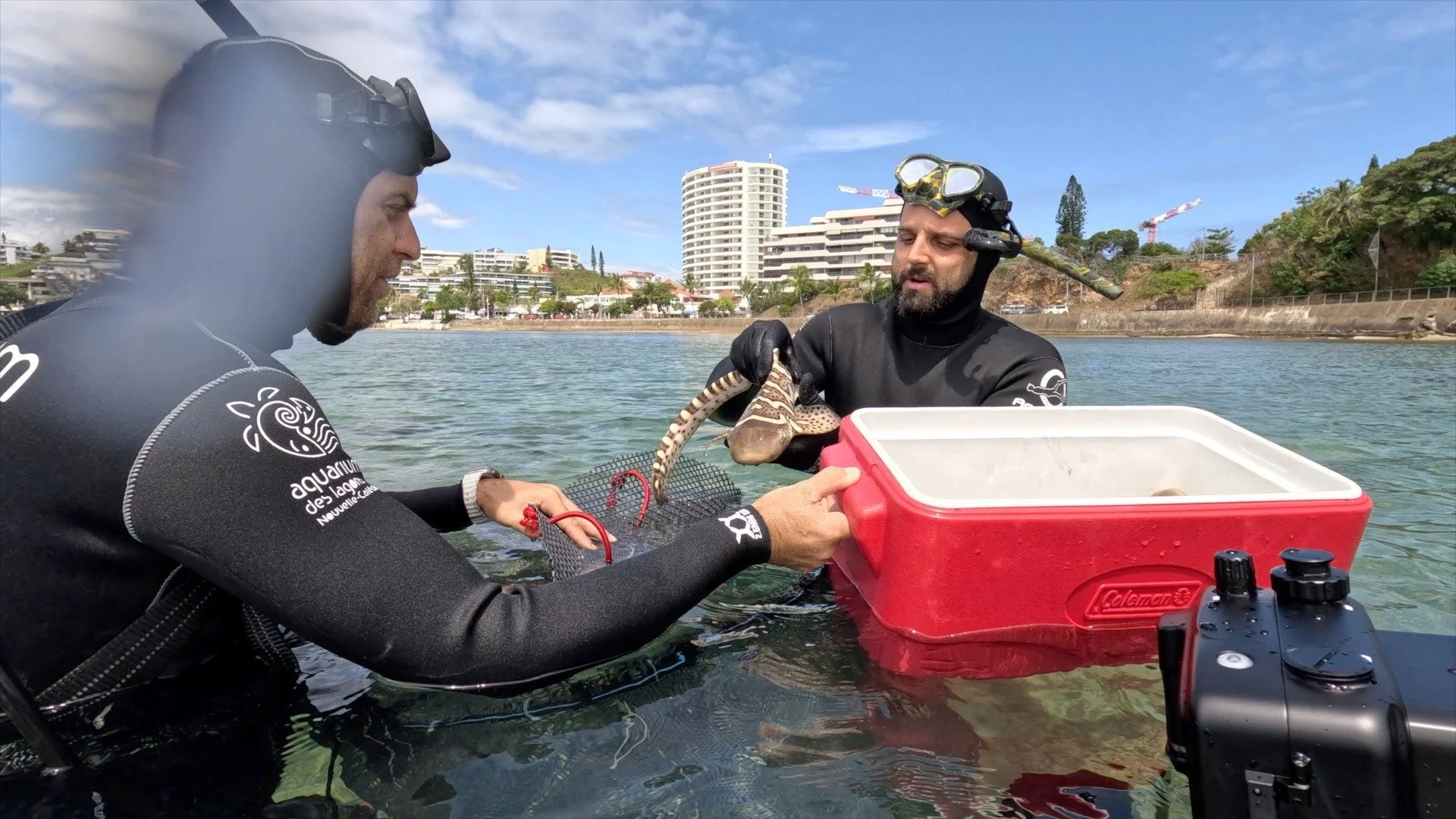
Graduate researchers are also investigating key aspects of leopard shark biology and ecology. Studies of wild populations in Indonesia, Australia and New Caledonia, alongside rewilded individuals, are generating new insights into genetics, reproduction, nutrition, movement ecology and population dynamics, helping guide current and future rewilding efforts.
Explore our Research:
GENETICS
MOVEMENT ECOLOGY
- Chateau, O., Lanos, N., Gossuin, H., et al. (2026). Post-release behavior of hatchery-reared juvenile Indo-Pacific leopard sharks, Stegostoma tigrinum, in New Caledonia. Environmental Biology of Fishes, 109, Article 26.
DIET AND NUTRITION
REPRODUCTIVE BIOLOGY
- Lassauce, H., Gossuin, H., Dudgeon, C. L., et al. (2026). Observation of group courtship/copulating behavior for free-living Indo-Pacific leopard sharks, Stegostoma tigrinum. Journal of Ethology, 44, 17–26.
CONSERVATION BREEDING AND HUSBANDRY
VETERINARY SCIENCE
- Adams, L., Wyffels, J. T., Goodwin, B., Munson, R., Leborgne, L., Feldheim, K. A., & Lyons, K. (2024). Monitoring egg fertility, embryonic morbidity, and mortality in an oviparous elasmobranch using ultrasonography. Frontiers in Veterinary Science, 11, Article 1410377.
MISCELLANEOUS
- Dudgeon, C. L., Ichida, N., Heatubun, C. D., Hadfield, C. A., Hoopes, L. A., Meyer, E., Neal, L., & Erdmann, M. V. (2024). Resharking leopards in Raja Ampat: A behind-the-scenes look at the StAR Project. Shark News, (9).
- Erdmann, M. V., Fatzinger, H., Hoopes, L. A., Jabado, R. W., Meyer, E., & Sianipar, A. (2024). ReShark: An international collective effort to recover threatened sharks and rays around the world. Shark News, (10).
- Larson, S., Lowry, D., Dulvy, N. K., Wharton, J., Galván-Magaña, F., Sianipar, A. B., Lowe, C. G., & Meyer, E. (2021). Current and future considerations for shark conservation in the Northeast and Eastern Central Pacific Ocean. Advances in Marine Biology, 90, 1–49.
Key Milestones
Defining moments, Enduring impact
The StAR Project continues to be shaped by inspiring people, powerful partnerships, and unforgettable moments. From visits by global leaders and conservation icons to landmark releases across the world, these defining moments reflect the growing momentum and collective commitment behind our mission.